Selling at Auction · A Guide

A clearer, faster route to certainty of sale.

Everything you need to know about selling property through Richards & Co — from valuation and reserve, through marketing and the room itself, to completion within twenty working days.

8 minute read Updated May 2026 Written by the partners
Why Auction

Why sellers choose the room over private treaty.

Estate agency works for some properties — but not all. Where a sale needs to be quick, where the property is unusual, tenanted, in probate, or simply too good to leave to a single private buyer, auction tends to deliver a stronger and far more certain result.

At auction, contracts exchange the moment the gavel falls. Completion follows within twenty working days. There is no chain, no late renegotiation, no withdrawal. The price is set by the room, not by the slowest buyer in a queue.

20days
Average Time to CompletionFrom the fall of the hammer to monies received — far shorter than the eight-to-twelve weeks typical of private treaty.
94%
Sell-Through RateAcross the last twelve months. Properties that don't sell on the day are usually placed via post-auction within the same week.
10%
Deposit on the DayA non-refundable ten percent deposit is paid by the buyer the moment the gavel falls. No chain, no late renegotiation, no withdrawal.
The Seller's Journey

Six stages, six to eight weeks.

From the first conversation through to monies cleared in your solicitor's account. Each stage is handled by a senior partner — never delegated, never outsourced.

01
Week One

Valuation & appraisal

A senior partner carries out a full valuation of the property, inspects the title, and gives you an honest view of what auction is likely to achieve. We tell you what we'd recommend as a reserve, and whether auction is genuinely the right route for the property.

Expert appraisal · No obligation
02
Week Two

Instruction & legal pack

Once you instruct us, we work with your solicitor to assemble the legal pack — title, searches, leases where relevant, EPCs, and the Special Conditions of Sale. A well-prepared pack is the single biggest driver of bidder confidence on the day.

Solicitor coordinated
03
Weeks Two–Three

Photography & catalogue

Editorial photography, floorplans where appropriate, and a properly written description. The lot is placed in our printed catalogue, on Rightmove and Zoopla, and circulated to our buyer list — over eleven thousand active investors and developers.

Print & digital · National reach
04
Weeks Three–Five

Marketing & viewings

Block viewings are arranged so interested buyers can inspect together — this creates competitive tension before the room. We monitor demand throughout, brief you weekly, and discuss whether the reserve needs adjusting in light of interest received.

Weekly reporting
05
Auction Day

The auction

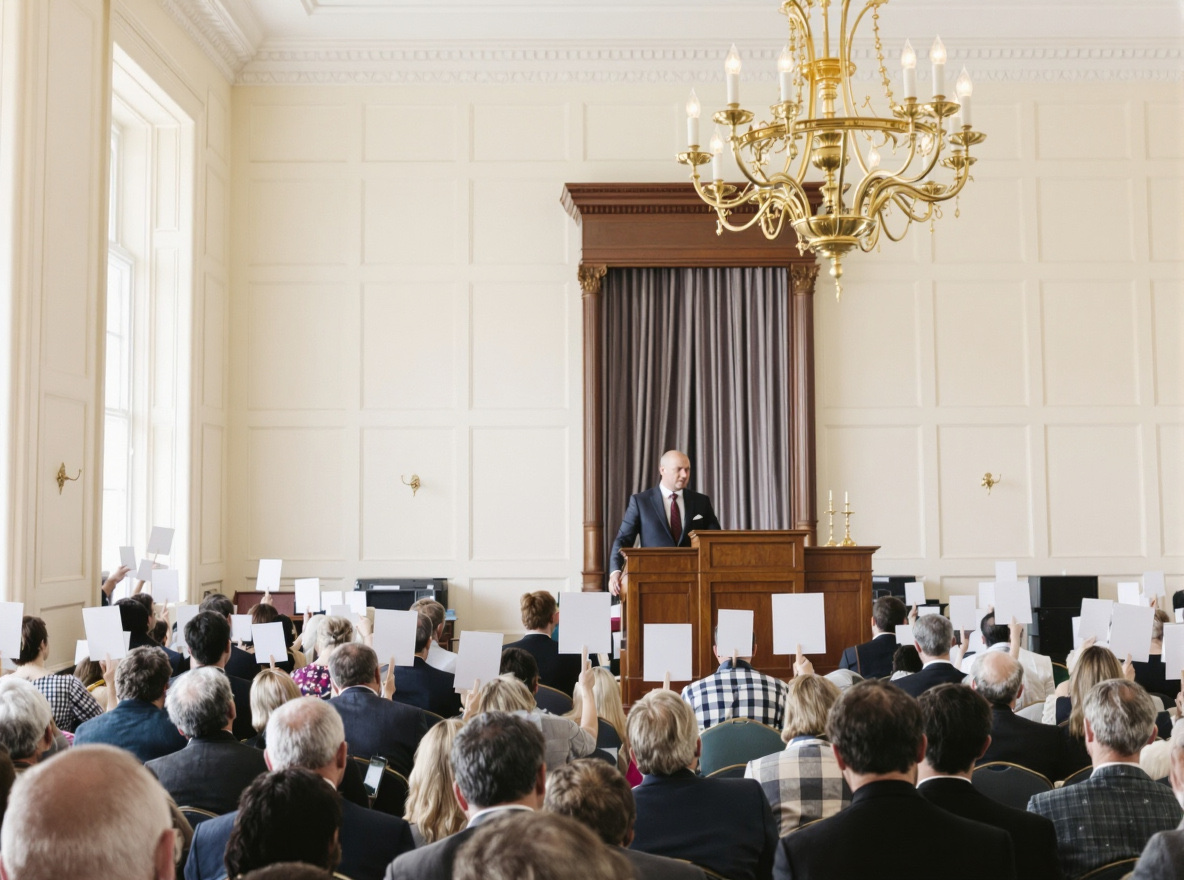
Bidding takes place online — open to registered buyers across the country and beyond. If the bidding meets your reserve, contracts exchange the moment the lot is sold. The buyer pays a ten percent deposit on the day and is contractually committed to complete.

Online bidding · Exchange on the sale
06
Within 20 Days

Completion & monies

Solicitors complete within twenty working days of exchange — a fixed deadline the buyer is bound to meet. Funds clear into your solicitor's account, the property transfers, and the matter is closed. Faster, longer or bespoke completion windows can be agreed in advance.

Funds cleared · Sale complete
Guide Price & Reserve

Two figures. Two roles.

Auction pricing isn't a single number — it is two figures working together. The guide attracts buyers into the room. The reserve protects the floor. Understanding the difference is the single most important thing a seller can do.

Public Figure

The guide

What we advertise to the market

The guide price is the figure published in the catalogue, on the portals and in our marketing. It is designed to attract the widest possible pool of buyers into the bidding process and set expectations for the room.

  • Visible to every buyer and advertised throughout the marketing window
  • Sets the entry point for interest, viewings and registrations
  • A guide set deliberately below market generates momentum and competitive bidding
  • Successful auctions are won by attracting many bidders — not by anchoring a single one
The guide is a marketing decision. It is not what your property is worth — it is what brings buyers to the room.

Confidential Floor

The reserve

The figure you are protected at

The reserve is the minimum figure you are prepared to accept. It is confidential between you and the auctioneer. If bidding does not reach the reserve, the property simply does not sell on the day — and we continue marketing it immediately afterwards.

  • Confidential — known only to you and the auctioneer
  • Protects you from selling below a level you are comfortable with
  • Set by us, drawing on expert knowledge of the market and live bidder demand
  • Agreed with you in writing ahead of the sale and held in strict confidence
If the room doesn't meet your reserve, you don't sell. The reserve is your safety net — not an aspiration.
Auction vs. Estate Agency

Two markets. Two outcomes.

Many sellers compare an auction figure against a private-treaty asking price and notice a difference. This is normal — the two methods operate on entirely different pricing models. Estate agency starts high and negotiates down. Auction starts low and competes up.

 
Estate Agency
Auction with Richards & Co
Pricing Model
Asking price set high; buyer negotiates down
Guide set to attract; bidders compete the price up
Time to Exchange
8–12 weeks of offers, surveys, conveyancing
On the fall of the gavel — typically 4–6 weeks from instruction
Certainty of Sale
Buyer can withdraw at any point until exchange
Legally binding contracts exchanged on the day
Chain Risk
Sale dependent on buyer's onward purchase
No chain. Buyer's funds are committed at exchange
Renegotiation
Common after survey; price often reduced
Not possible. Price is fixed when the hammer falls
Best Suited To
Owner-occupied family homes in mainstream condition
Investments, probate, tenanted, refurbishment, unusual or time-sensitive sales
Questions, Answered

The things sellers actually ask.

Drawn from the conversations we have most weeks with executors, solicitors, accidental landlords, and private clients considering the room for the first time.

How long does the whole process take, from first call to monies received?
Typically six to eight weeks. Four to six weeks of marketing leads up to the auction itself, and completion follows within twenty working days of the hammer falling. Faster timelines are sometimes possible where the legal pack is already prepared and a slot is available in the next available sale.
What happens if the property doesn't sell on the day?
If bidding does not reach your reserve, the property is unsold on the day — but the work continues immediately. We approach the underbidders, contact buyers who registered interest, and place the lot into our post-auction marketing. Most lots that don't sell in the room sell within the following week at or above the reserve.
Why should I consider auction as my first option, rather than the high street?
Auction is the fastest, most certain route to a binding sale. Your property arrives at the room fresh — properly priced, properly marketed, and seen by a national buyer audience within weeks rather than months. Compare that to private treaty, where properties can sit on the portals for six months, drift through reductions, and lose value the longer they sit. Bidders compete on a fixed date and the price is set by the market, not by a single buyer's offer. For investments, tenanted property, probate, refurbishment, and anything time-sensitive, the auction room is the right place to start — not the place to go when the high street has failed.
How is the reserve price set?
We recommend a reserve based on our expert knowledge of the market — drawing on years of sold comparables, current bidder appetite, and the specific characteristics of your property. We are valuers first and auctioneers second, and getting the reserve right is the single most important pricing decision in any sale. The figure is agreed with you ahead of the auction and held in strict confidence between you and the auctioneer.
What does the legal pack contain, and who pays for it?
The legal pack contains everything a buyer's solicitor needs to commit on the day — title documents, local authority searches, the EPC, leases where relevant, and the Special Conditions of Sale. It is prepared by your conveyancing solicitor and paid for as part of their fee. A well-prepared pack is the single biggest driver of bidder confidence and final price.
Can I sell a tenanted property at auction?
Yes — and tenanted property is one of the categories where auction consistently outperforms private treaty. Investors actively seek income-producing lots and are willing to compete for them. We will need a copy of the tenancy agreement, recent rental statements, and any deposit-protection details for the legal pack.
What about probate and estate sales?
Auction is well suited to probate. Executors typically need certainty of sale, a defensible market price for the estate accounts, and a clean exit within a defined window — all of which auction provides. We work closely with solicitors acting for executors and can structure the timetable around the grant of probate where required.
Can the buyer pull out after the auction?
No. Contracts exchange the moment the gavel falls and the ten percent deposit is paid on the day. The buyer is legally committed to complete within the contractual window — usually twenty working days — and if they fail to do so, they forfeit the deposit and remain liable for the seller's losses. This is the single greatest difference between auction and private treaty.
Ready When You Are

Let's start with a conversation.

A senior partner will carry out a full valuation, give you an honest view, and leave you with a written appraisal. No obligation, no pressure, no fee.